If you have been searching for Noorani Qaida for non-Arabic-speaking kids, you are not alone. Many Muslim parents in the US, UK, Canada, and Australia want their children to build a strong connection with the Quran, but they feel unsure about where to begin. If Arabic is not spoken at home, or if you are a revert parent learning alongside your child, the first step can feel especially intimidating. The good news is that Noorani Qaida was designed for exactly this early stage: helping children recognize Arabic letters, pronounce them correctly, and develop the reading habits they need before moving on to Quran memorization.Noorani Qaida is not a shortcut around learning Quranic Arabic, and it is not a replacement for reading the Quran itself. Rather, it is a structured foundation. It teaches a child how Arabic letters sound, how vowels change pronunciation, how letters join, and how recitation rules begin to appear in real reading. Before a child is asked to memorize surahs with confidence, they need this base. Without it, memorization can become guesswork. With it, memorization becomes clearer, more accurate, and more meaningful.
What Noorani Qaida Actually Teaches
For many parents, the word “Qaida” sounds technical or unfamiliar. In simple terms, Noorani Qaida is a beginner’s reading primer. It breaks Quranic reading into small, manageable steps so a child is not overwhelmed.
Arabic letters
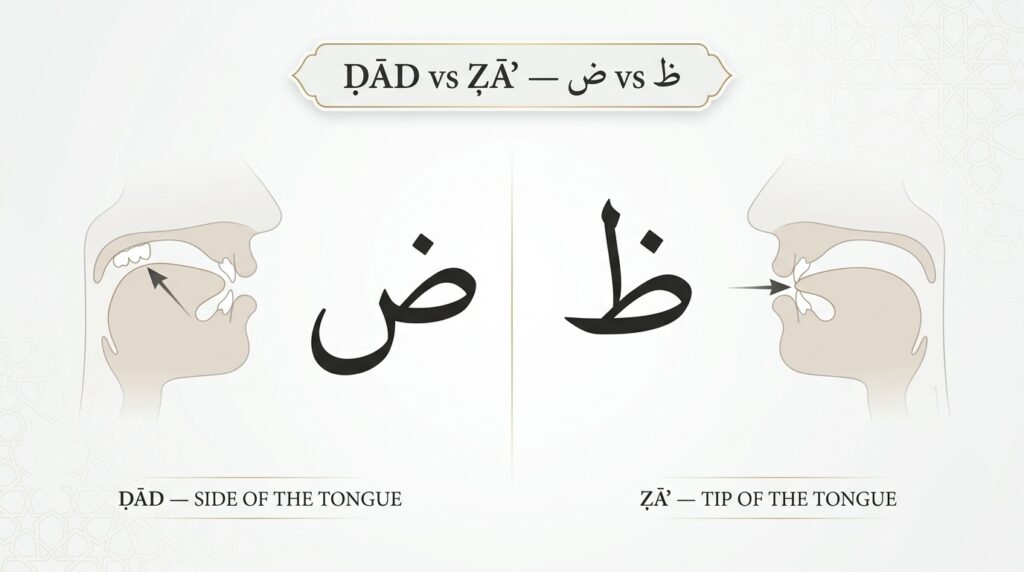
The first part of the Qaida helps children recognize the Arabic alphabet. This is more than learning letter names. Your child also learns how each letter should sound when spoken properly. Some Arabic sounds do not exist in English, so hearing them from a qualified teacher early on matters a great deal.
Harakat or vowel marks
Once the letters become familiar, children learn the short vowel marks placed above or below them. These marks tell the child whether the sound is read with a short “a,” “i,” or “u” type sound. A child is not just seeing symbols on a page anymore; they are starting to decode what they read.
Joined letters
Arabic letters often change shape depending on where they appear in a word. Noorani Qaida gradually introduces this so children can move from isolated letters to connected reading. This is one of the most important bridges between “knowing letters” and actually reading Quranic words.
Sukoon and shaddah
Children then learn signs that affect how a letter is held or emphasized. A sukoon shows that a letter has no vowel sound after it. A shaddah tells the reader that a letter is stressed or doubled. These details may seem small, but they strongly affect correct recitation.
Madd or elongation
At this stage, children begin to notice that some sounds are stretched longer than others. Noorani Qaida introduces the idea of elongation in a very simple, accessible way. A child learns that not every sound is read at the same pace, and that some letters naturally extend the sound.
Tanween
Tanween refers to the double vowel endings that produce an “n” sound at the end. Again, the Qaida does not overwhelm the child with heavy theory. It introduces these patterns through practice until they become familiar.
Early tajweed awareness
A good Qaida teacher does not necessarily turn the first lessons into a full tajweed class. Instead, they help the child notice correct articulation, careful listening, and clean pronunciation from the start. This prevents bad habits from becoming permanent.
A Step-by-Step Look at How Qaida Lessons Usually Progress
Every child learns at a different pace, but the overall path is usually quite similar. A healthy program moves steadily without rushing.
Stage one: comfort with the Arabic script
In the earliest lessons, your child is introduced to the Arabic letters one by one. The goal here is not speed. It is familiarity. A good teacher helps the child hear the sound, repeat it, and distinguish it from similar letters.At this stage, confidence matters more than perfection. A child who feels safe making mistakes is much more likely to keep progressing.
Stage two: reading letters with short vowels
Once the letters are recognizable, the next step is reading them with basic vowel marks. This is often the moment when things begin to “click.” Your child realizes they are no longer just naming letters; they are reading sounds.
Stage three: combining letters and building flow
Now your child begins reading joined letters and short patterns. This stage can feel challenging because it requires visual recognition and sound blending at the same time. With patient repetition, the child becomes less hesitant and more fluid.
Stage four: applying reading signs and patterns
This is where sukoon, shaddah, madd, and tanween become part of real reading practice. The child learns to notice what changes a sound, what stretches it, and what gives it emphasis.
Stage five: smoother, more accurate recitation
At this point, the child is not merely decoding symbols slowly. They are reading with growing rhythm, awareness, and confidence. Mistakes still happen, but they are easier to correct because the foundation is now in place.
Stage six: readiness for Quran text
After completing the Qaida, the child is much better prepared to begin reading directly from the Quran. This next step is far more successful when the Qaida has been mastered properly. If you want to understand that transition better, it helps to read about Quran Reading for Beginners as the next stage after the Qaida.
Signs Your Child Is Ready to Move On to Quran Memorization or Tajweed
Parents often ask, “How do I know my child is really ready?” That is an important question, because moving on too early can create frustration later.Your child may be ready when they can recognize letters quickly without long pauses, read basic combinations with consistency, and apply common marks like short vowels, sukoon, and shaddah with reasonable confidence. They should also be able to listen to correction and repeat it more accurately, rather than guessing.Another sign is steadiness. A child does not need to sound like an advanced reciter, but they should no longer be relying on pure memorized pattern matching. They should actually be reading what is in front of them.Readiness for Quran memorization also includes emotional readiness. If your child approaches lessons calmly, retains correction, and reads with less fear, that is a strong sign that the foundation is becoming stable. If these signs sound familiar, a structured program like the Noor Al Bayan Course can reinforce the same reading foundation before your child moves fully into memorization.
Learning Noorani Qaida Online With a Qualified Teacher vs. Learning Alone
Many parents today first discover Noorani Qaida through free apps, videos, or online clips. These resources can be helpful as a supplement, but they are not the same as guided instruction.A qualified teacher, especially one who is properly trained and holds ijazah, does more than present information. The teacher listens carefully, corrects subtle mistakes, notices patterns your child may be repeating, and adjusts the pace according to your child’s needs. That live correction is crucial in Quranic reading.Free resources cannot tell if your child is pronouncing a letter from the wrong point of articulation. They cannot pause to rebuild a weak concept before it becomes a habit. They cannot offer personalized encouragement when a child feels stuck.For non-Arabic-speaking families, this difference is even more important. If the parent cannot confidently verify pronunciation at home, a qualified teacher becomes the safety net that keeps the learning process accurate and gentle.That does not mean videos or apps have no place. They can reinforce lessons, offer repetition, and keep the child engaged between classes. But they work best as support tools, not as the main teacher.
Practical Ways Parents Can Help at Home Even Without Speaking Arabic
You do not need to be an Arabic speaker to be a strong support for your child.
Make consistency more important than length
A short, calm review session is often more effective than a long, pressured one. Regular contact with the lesson keeps the sounds familiar and prevents your child from feeling that Quran study is heavy or exhausting.
Listen with your child
Even if you cannot correct every sound, you can still sit beside your child, listen carefully, and encourage focus. Your presence tells them this matters.
Use the teacher’s corrections
If the teacher gives voice notes, key reminders, or simple feedback points, keep those visible. You may not teach the rule yourself, but you can help your child remember what the teacher emphasized.
Celebrate effort, not only accuracy
Children need to feel that progress is possible. A warm “you worked hard today” often does more for long-term growth than constant pressure to perform perfectly.
Keep the goal spiritual and loving
Remind your child that this is not just another academic subject. They are learning the words of Allah step by step. That sense of purpose can transform the entire experience.
Stay connected to the next stage
As your child grows stronger, begin thinking ahead. The Qaida is the foundation, but it opens the door to Quran reading, tajweed, and eventually memorization. When parents understand that bigger journey, they can support it with more patience and hope.
Conclusion
Choosing the right beginning matters. For many families in the West, especially those raising children in non-Arabic-speaking homes, Noorani Qaida for non-Arabic-speaking kids is one of the clearest and most reliable starting points. It gives your child a structured path into Quranic reading, helps prevent shaky reading habits, and makes the move toward memorization much more natural.If you have been feeling unsure, you do not need to figure it all out on your own. A warm, qualified teacher can guide your child step by step and give you peace of mind along the way. Book a free trial lesson and let your child begin building a confident, loving relationship with the Quran from the right foundation.